 Share


2026 has seen the completion of several major cultural, civic and institutional projects in Asia, particularly in China. While ambitious in scale, many are equally concerned with their relationship to place — drawing on landscape, local traditions and climate to shape architecture that responds to its surroundings.
The newly opened Shenzhen Natural History Museum is inspired by the nearby river delta and the geological formations shaped by moving water. Five exhibition ‘cones’ are threaded through its sweeping form, allowing visitors to navigate the museum freely rather than follow a prescribed route.
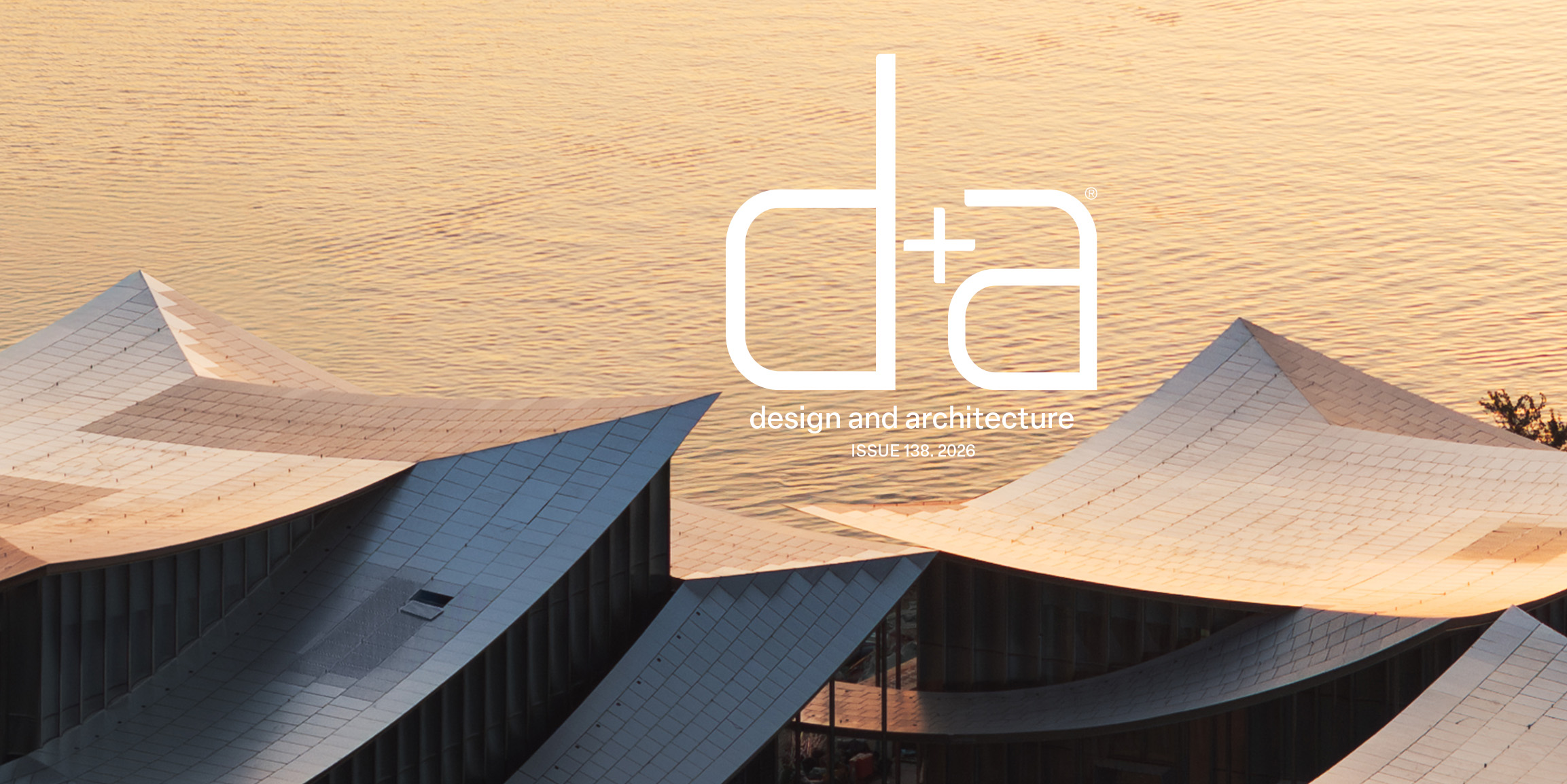
At Songshan Lake in Dongguan, central Guangdong, ZHA Architects’ Exhibition and Performance Centre draws on the region’s cultural heritage. Its layered roofscape references both traditional Lingnan architecture and the flowing ‘water sleeves’ worn by Cantonese Opera performers, while generous overhangs provide shade from Guangdong’s subtropical climate.
Further north, the new Suzhou Museum of Contemporary Art unfolds along the shores of Jinji Lake as 10 interconnected pavilions interspersed with gardens and ponds. The architecture establishes a distinct identity for the museum while negotiating its relationship with the adjacent Ferris wheel and commercial development, creating a new cultural presence on Suzhou’s waterfront.
Local traditions similarly inform the recently completed Pusat Rehabilitasi PERKESO Sultan Nazrin Shah in Malaysia. Its masterplan and architectural language reference tekat emas, the traditional gold embroidery of Perak. Floral motifs appear across suspended sunshades that wrap the low-rise buildings, with their orientation and coverage calibrated to the path of the sun.
Closer to home, Keppel South Central brings another dimension to climate-responsive architecture. Its distinctive steel ‘environmental veil’ reduces solar exposure and cooling loads while opening towards the surrounding city. At street level, an expansive canopy supported by branching steel columns shelters a public plaza, giving the development a more human scale.
Together, these projects demonstrate how large buildings need not stand apart from their context. Whether responding to landscape, cultural memory or climate, each looks beyond architectural form to consider how buildings can belong more meaningfully to their place — and to the people who use them.
We hope you enjoy exploring these projects, and the ideas behind them, in this issue of D+A.